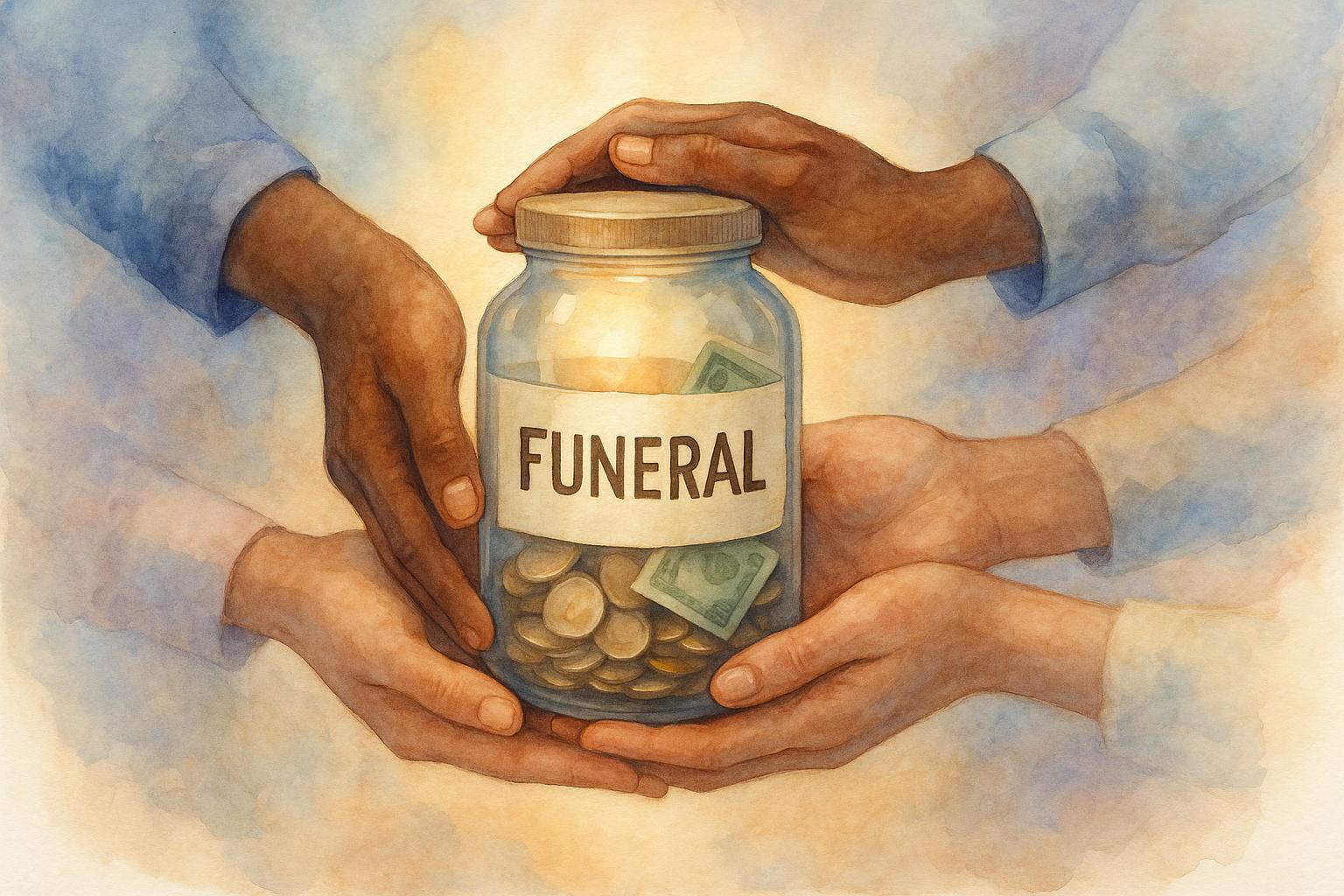
Funeral crowdfunding helps families manage the high costs of funerals by collecting donations online. With funeral expenses often exceeding $7,000-$10,000 in the U.S., many turn to platforms like GoFundMe, YouCaring, and Ever Loved. These platforms allow families to share their loved one’s story, set a fundraising goal, and collect donations through social media and other online networks.
Key points:
- Average raised per campaign: $2,200
- Average donation: $65
- Popular platforms: GoFundMe, Facebook Fundraisers, AngeLink, Ever Loved
- Fees: Some platforms, like GoFundMe, charge processing fees (2.9% + $0.30 per donation), while others, like AngeLink, are free.
- Features to look for: Direct payment to funeral homes, social sharing tools, and memorial pages.
Funeral crowdfunding is a practical way to ease financial strain while honoring a loved one’s memory. Sharing a heartfelt story, choosing the right platform, and keeping donors updated can make a campaign more effective.
GoFundMe guidance for running a fundraiser for a memorial or funeral
Selecting a Crowdfunding Platform
The platform you choose plays a big role in how quickly you can raise funds and how much you ultimately collect.
Platform Selection Criteria
One of the first things to consider is the fee structure. For example, GoFundMe charges 2.9% plus $0.30 per donation, which means a $2,200 campaign could lose around $64–$70 to fees. On the other hand, platforms like AngeLink and FreeFunder charge no fees at all. Facebook Fundraisers also stands out by not charging fees for personal fundraisers.
Another key factor is donor reach and recognition. Widely recognized platforms like GoFundMe and Facebook Fundraisers offer built-in trust and extensive donor networks. GoFundMe has processed over $25 billion in donations as of 2022, with 28 million people participating annually. Facebook Fundraisers leverage your social connections, making it easy for friends and family to discover and share your campaign.
Security and fraud protection should also be on your radar. AngeLink manually reviews every fundraiser before it goes live, GoFundMe offers its Giving Guarantee, and Funeral Fund ensures funds go directly to funeral homes.
Ease of use is another priority. Platforms like GoFundMe and Facebook Fundraisers are known for their simple setup and clear instructions. If you’re looking for more customization, Ever Loved allows you to create detailed campaigns tailored to your needs.
Lastly, make sure the platform supports social sharing tools to boost your campaign’s visibility. Platforms like GoFundMe, Facebook Fundraisers, and AngeLink excel in this area, making it easy to share your campaign across various channels.
After weighing these factors, take the time to explore platform features that simplify fund management and enhance the memorial experience.
Important Platform Features
One standout feature is direct payment to funeral homes, which ensures donations go directly where they’re needed. Funeral Fund integrates with obituaries and sends funds straight to the funeral home’s bank account. In some cases, funeral homes can retain excess funds for services or transfer the remaining balance to the family. Similarly, Mercadante Funeral Home‘s platform offers real-time tracking and direct deposits, taking the burden off families.
Another valuable feature is memorial and tribute functionality. Platforms like Ever Loved combine memorial websites with donation tools, allowing families to share information about their loved one while collecting donations. FundRazr goes a step further, enabling families to raise money for funeral costs, memorial scholarships, or even living expenses. These features provide an emotional connection for donors, making their contributions more meaningful.
Fund withdrawal options and timing are also important. GoFundMe offers straightforward withdrawal processes with quick access to funds. Funeral Fund eliminates withdrawal steps altogether by depositing funds directly to funeral homes. Meanwhile, Facebook Fundraisers have more limited payout options compared to other platforms. Understanding these differences can help you choose a platform that aligns with your timeline for covering expenses.
Campaign tracking and donor communication tools can make managing your fundraiser easier. For example, Mercadante Funeral Home’s platform lets donors see real-time progress, and most platforms allow you to send updates and answer donor questions.
Finally, consider whether you need a specialized or general-purpose platform. Dedicated funeral crowdfunding platforms like Ever Loved, Funeral Fund, and GracefulGoodbye offer features tailored to end-of-life planning, such as obituary integration and memorial pages. General-purpose platforms like GoFundMe provide access to larger donor networks but may require more effort to customize for funeral-specific needs. Your decision will depend on whether you value specialized tools or broader reach.
To simplify your choice, compare your top two or three platforms based on fees, features, and ease of use. This approach helps you weigh the trade-offs and select the best fit for your situation and comfort level.
Once you’ve chosen a platform, you’ll be ready to set up your funeral crowdfunding campaign.
Setting Up Your Funeral Crowdfunding Campaign
Once you’ve chosen your platform, it’s time to set up your campaign. Acting quickly – often within hours – can help you reach donors while their willingness to support is still fresh. Below, we’ll guide you through crafting a heartfelt campaign story and other key steps.
Writing Your Campaign Story
Your campaign story is the heart of your fundraiser. It’s where you build trust and connect with potential donors. Start by explaining why you’re raising funds and how the money will be used. Share details about the deceased – their personality, the impact they had on others, and what made them special. These personal touches help donors feel emotionally invested in your cause.
Be transparent about the circumstances that led to your financial need. Whether it’s an unexpected loss, financial strain, or another hardship, honesty can inspire greater support. For instance, a campaign that clearly outlined its expenses raised over $23,000 following a tragic accident – showing just how impactful a well-detailed story can be.
Your campaign title should be straightforward and specific. Include the deceased’s name and the purpose of the fundraiser. Examples like “Memorial Fund for [Name]” or “[Name]’s Funeral and Memorial Service Fund” immediately tell donors what they’re supporting. An opening line such as “Help us honor [Name]’s memory and cover funeral expenses” effectively combines emotional appeal with practical clarity.
Break down how the funds will be used. Specify amounts for funeral home services, burial or cremation costs, memorial services, and any other related expenses. If there’s a chance of exceeding your goal, explain how those extra funds will be used – whether to cover living expenses, donate to a cause the deceased cared about, or support their loved ones. Transparency is key, especially since platforms like AngeLink review every fundraiser to guard against fraud.
Calculating Your Fundraising Goal
Setting an accurate fundraising goal takes some planning. Start by obtaining an itemized estimate from the funeral home to understand the total costs, including fees for services, burial or cremation, and any additional charges.
You’ll also need to account for platform fees. For example, GoFundMe charges 2.9% of each donation plus $0.30 per transaction. Factor these fees into your goal to ensure you’re not left short. Additionally, consider related expenses like travel for family members, catering for a reception, obituary announcements, or immediate living costs. These are legitimate costs, and clearly explaining them in your campaign story can help donors understand why they’re included.
Keep your expectations realistic. On average, funeral campaigns raise about $2,200, with individual donations typically around $65. It’s also worth noting that many Americans face financial challenges, with 76% living paycheck to paycheck. This means donors may contribute smaller amounts, so setting a reasonable goal is important.
Adding Photos and Memorial Content
Photos can make your campaign more engaging by helping donors connect emotionally. Choose clear, well-lit images that celebrate the deceased’s life. Family portraits, snapshots from special events, or pictures of them doing activities they loved can be particularly meaningful.
Avoid using graphic or upsetting images. Instead, focus on visuals that reflect their personality and the joy they brought to others. Photos like these can help potential donors feel a deeper connection to your campaign.
Many platforms offer features to combine tribute and fundraising on one page. Consider including a short biography or timeline of the person’s life, highlighting their accomplishments and relationships. Adding quotes, poems, or messages from loved ones can also provide a touching glimpse into their character and legacy. Platforms like GiveSendGo even allow donors to leave supportive comments or prayers, creating a sense of community around your fundraiser. Others, like Fundly, let you personalize your campaign page with mobile-friendly design tools.
When setting up your account, make sure to provide accurate banking information to avoid delays in receiving donations. With a heartfelt story, a well-thought-out goal, and meaningful photos, your campaign will be in a strong position to gain the support you need. Once everything is in place, you’ll be ready to promote and manage your campaign effectively.
Promoting and Managing Your Campaign
When your campaign goes live, spreading the word quickly is crucial. The first few days often set the tone for your fundraising success, as early contributions can inspire others to give. Building momentum early and keeping donors engaged are key to reaching your goals.
Sharing Your Campaign
Start with those closest to you. Reach out to family, friends, and colleagues through personalized emails that include a direct link to your campaign. Emails work well because they feel personal and land directly in someone’s inbox. Include a heartfelt note that speaks to your connection with the recipient.
Use social media to amplify your reach. Most crowdfunding platforms offer built-in tools to share your campaign on platforms like Facebook and Twitter. If you’re using Facebook Fundraisers, people can donate without leaving the site, making it convenient for them to contribute. On other platforms, post your campaign link with a short, emotional message about why you’re raising funds. Adding a photo of your loved one makes the post more personal and engaging.
Expand beyond your immediate circle. Reach out to your loved one’s workplace, religious community, social clubs, or professional groups. These communities often want to help but may not know about your campaign unless you let them know. Send a brief message to group leaders or share your campaign in community forums where it’s appropriate. Often, people who didn’t know your loved one personally will still donate when they understand the situation.
Encourage others to share. Thank donors and ask them to share your campaign with their own networks. A recommendation from someone they trust often carries more weight than self-promotion. Just one share from someone with a large social media following can significantly increase your campaign’s visibility.
Once you’ve spread the word, keep your supporters updated to maintain their trust and encourage ongoing contributions.
Updating Your Donors
After your initial outreach, regular updates are essential for keeping donors engaged. Post updates at key milestones – like when you hit 25%, 50%, and 75% of your goal. If your campaign runs for several weeks, aim to post at least once a week during active fundraising periods.
Be transparent about progress. Share specific updates, such as: “We’ve raised $3,500 of our $7,000 goal, which means we can now cover the funeral service and reception costs.” This level of detail shows donors the direct impact of their contributions and builds confidence in your efforts.
Show heartfelt gratitude. Thank donors personally in your updates and messages. Avoid generic language – write as if you’re speaking directly to someone who cared enough to help.
Add personal touches. Share a memory or story about your loved one that wasn’t included in your original campaign description. These details remind donors why they gave and may inspire others to contribute.
Be upfront about changes. If your needs increase or circumstances shift, explain the situation clearly. Transparency fosters trust. If you’re close to your goal and expect to exceed it, let donors know how any extra funds will be used – whether for additional expenses, family support, or a cause your loved one cared about.
Send personalized thank-you messages. Many platforms allow you to message donors individually. Take the time to send a personal note, especially for larger contributions. Mention the donor’s name and the amount they gave, and include a brief update on how their support is making a difference.
Responding to Donor Questions
Transparency is essential in every interaction. Check your campaign platform daily for comments and questions – platforms like GoFundMe, GiveSendGo, and Ever Loved offer messaging tools to help you stay connected with donors.
Explain how funds are being used. If someone asks, provide specific details about funeral expenses. For example, mention whether the funds cover cremation, burial, venue rental, or other costs. If you have estimates from the funeral home, share those numbers. A full funeral service can cost around $10,000, while simple cremation services range from $600 to $2,000.
Respond respectfully and factually. Some people may not understand why crowdfunding is necessary, especially if they’ve never faced unexpected funeral costs. Mention that 76% of Americans live paycheck to paycheck, which explains why many families turn to crowdfunding during difficult times.
Provide documentation if needed. If someone questions the legitimacy of your campaign, share funeral home quotes or service details. Platforms like AngeLink review fundraisers before they’re published to prevent fraud, and you can mention this to reassure donors.
Address questions you can’t answer right away. If you need time to research or consult family members, acknowledge the question and commit to a timeline for your response. For example: “Thanks for asking – I’ll check with the funeral home and get back to you by tomorrow afternoon.” This shows you take their concerns seriously.
Handle skepticism professionally. Use clear, factual information to provide context about your situation and the costs involved. If comments become abusive, use your platform’s reporting tools to address them.
Track your campaign’s performance. Monitor which social media platforms drive the most donations and focus your efforts there. Pay attention to when donations come in – often right after launching the campaign or posting major updates. The average funeral crowdfunding campaign raises about $2,200, with individual donations averaging $65. If your campaign is falling short, consider revising your story or expanding your outreach.
Many platforms include real-time tracking features that let donors see the current total. Visible progress bars can motivate additional donations, as people are often inspired to contribute when a campaign is close to reaching its goal.
sbb-itb-cfbc7e6
Financial and Legal Considerations
Managing crowdfunded money responsibly is essential for covering funeral costs and maintaining the trust of those who contributed.
Withdrawing and Distributing Funds
Most crowdfunding platforms, like GoFundMe, transfer donations directly to your bank account within a few business days. Others, such as FundRazr, allow immediate access through PayPal, Stripe, or WePay. To get started, you’ll need to provide your banking details when setting up the campaign, and funds will begin accumulating in your account as donations come in.
Direct payments to funeral homes simplify the process. Platforms like Funeral Fund can send the money directly to the funeral home, ensuring the funds are used specifically for funeral expenses and easing the financial burden on families. These platforms typically close campaigns 48 hours before the service to allow for processing time.
To avoid complications, designate a single trusted individual to manage the funds and document how they will be allocated to prevent misunderstandings.
Keep detailed records for transparency. Record every donation, including donor names, amounts, and dates. Save all receipts and invoices for funeral-related expenses like flowers, catering, or other services. These records not only ensure accountability to donors but also create a clear audit trail if you need to reference the funds later.
Tax Rules for Crowdfunded Money
Once you’ve accessed the funds, it’s important to understand any potential tax implications. Generally, donations for funeral expenses are considered non-taxable gifts.
Using leftover funds for other purposes could have tax consequences. The IRS doesn’t provide specific guidance on funeral crowdfunding, so there may be gray areas if you use excess funds for non-funeral-related expenses.
Consult a tax professional if you’re unsure. While most funeral-related donations aren’t taxable, seeking advice from a tax professional or accountant is a good idea, especially if you plan to use surplus funds for other purposes. They can guide you on whether you need to report anything on your tax return and what documentation to maintain.
Donors typically cannot deduct their contributions. Unless your campaign is run through a registered 501(c)(3) nonprofit, donors generally can’t claim their contributions as charitable deductions. Personal crowdfunding campaigns don’t qualify for this tax benefit, even if the cause is compelling.
What to Do with Extra Funds
If your campaign raises more than anticipated, here are some ways to use the surplus funds:
- Cover unexpected funeral costs. Additional expenses like flowers, catering, or travel can quickly add up.
- Make a donation in the deceased’s honor. Contributing to a cause they cared about is a meaningful way to honor their memory. Be sure to inform donors and provide proof of the donation.
- Create a memorial fund or scholarship. This can serve as a lasting tribute and help others facing similar challenges.
- Support grieving family members. This may be especially helpful if the deceased was the primary breadwinner or if family members need financial support for travel or unpaid leave.
Communicate plans for surplus funds to maintain trust. Include details about how extra funds will be used in your campaign description. If this wasn’t addressed initially, post an update explaining your intentions before using the money.
For campaigns that send funds directly to the funeral home, any surplus can either be retained by the funeral home for additional services or redirected to the family, depending on the arrangements you make. Discuss these options with your funeral director when setting up the payment plan.
Send a final update to donors. After all expenses are covered and decisions about surplus funds have been made, send a final message to thank donors and summarize how their contributions were used. This step provides closure, shows respect for their generosity, and reinforces accountability.
More Funeral Planning Resources
Crowdfunding can help tackle the immediate financial burden of funeral expenses, but families often need more than just monetary support – they need guidance on making informed decisions about caskets, cremation, headstones, and service arrangements. By understanding these options, you can set realistic fundraising goals and clearly communicate your needs to potential donors. This level of preparation not only ensures transparency but also helps you craft a compelling story for your campaign.
Doing your homework on funeral costs strengthens your campaign. For example, when you break down why you’re asking for $8,500 instead of $5,000 – whether it’s for a specific casket type, cremation service, or memorial arrangement – donors are more likely to feel confident in their contributions. Specificity builds trust and often inspires greater generosity.
In-Valhalla offers detailed guides on end-of-life decisions that can complement your crowdfunding efforts. These resources cover everything from traditional metal and wood caskets to eco-friendly options and even rental caskets, helping you understand how each choice impacts your overall expenses. Similarly, their cremation service guides explain the cost differences between direct cremation, cremation paired with a memorial service, and traditional services followed by cremation. These distinctions can directly shape your fundraising goals.
Planning for headstones and memorials ensures you think beyond immediate costs. While your initial crowdfunding might focus on the funeral itself, additional funds may be needed for cemetery markers, plaques, or even ongoing maintenance. Knowing these future expenses can help you decide whether to include them in your current campaign or address them separately later.
Funeral arrangement guides available on various platforms can also be a huge help. They walk you through service planning options, from traditional viewings and religious ceremonies to celebration-of-life gatherings. Including this information in your campaign story – alongside industry-standard costs – can reassure donors that their contributions are going toward thoughtfully chosen arrangements. Plus, these guides can help you work more effectively with funeral homes.
Some funeral homes even offer crowdfunding integration directly. For instance, certain funeral directors collaborate with platforms like Funeral Fund, which charges a 5% flat fee and transfers funds straight to the funeral home’s account. Pairing this option with insights from planning guides can simplify everything, from fundraising to finalizing arrangements.
Support from your community goes beyond financial help. Many families find comfort in grief support resources and advice on managing the deceased’s estate. Comprehensive end-of-life planning websites often provide this kind of broader assistance, helping families navigate both immediate and long-term decisions.
Conclusion
Funeral crowdfunding has become a reliable way to manage unexpected expenses during an already challenging time. The process is simple: select a platform, create a heartfelt campaign, set a realistic goal, and share it widely. These steps build on the strategies we’ve discussed throughout this guide.
The numbers back this up. For example, GoFundMe has hosted over 22,000 funeral, tribute, and memorial campaigns, collectively raising $40 million to date. These campaigns highlight the strength of community support when families share their stories with sincerity.
The success of your campaign hinges on transparency, community involvement, and clear financial planning. Families who openly explain their needs, share meaningful photos and memories of their loved ones, and keep donors updated tend to achieve better outcomes. Crowdfunding isn’t just about seeking help – it’s about inviting your community to honor and celebrate a loved one together.
With billions raised annually through platforms like these, the infrastructure supporting funeral crowdfunding is strong and dependable. Communities are often eager to help, understanding the financial burden that unexpected funeral costs can bring. By combining these strategies with additional resources – such as in-Valhalla’s tools for estimating costs of caskets, cremation services, and memorial arrangements – you’ll be better equipped to create a campaign that’s both effective and respectful.
Take comfort in knowing that your community is ready to stand by you and offer support during this difficult time.
FAQs
How can I choose the right crowdfunding platform for a funeral campaign?
When selecting a crowdfunding platform for a funeral campaign, there are a few important things to keep in mind. Start by exploring platforms that focus on memorial or funeral fundraising. These platforms often include features specifically designed to meet the needs of such campaigns.
Next, take a close look at the fees. Some platforms deduct a percentage from each donation or charge transaction fees. It’s crucial to understand how much of the donated funds will actually go toward the campaign and how much will be retained by the platform.
Ease of use is another key factor. A platform with a simple, intuitive interface can save you time and stress, while tools for sharing your campaign on social media can help you connect with potential donors more effectively. Finally, check out reviews or testimonials to confirm the platform’s reputation and reliability. These steps can guide you toward a platform that aligns with your needs during a difficult time.
How can I make sure my funeral crowdfunding campaign meets its fundraising goal?
To give your funeral crowdfunding campaign the best chance of success, start with a clear, heartfelt description of why the funds are needed. Share details about the person being honored, the financial goal, and how the money will be used. Being open and specific helps build trust with potential donors.
Spread the word by sharing your campaign with family, friends, and your broader community. Use social media, email, and even word of mouth to get the message out. Ask supporters to share the campaign within their own networks to expand its reach. Adding photos or videos can make your story more personal and help people connect emotionally with your cause.
Throughout the campaign, keep your donors in the loop. Thank them for their generosity and let them know how their contributions are making a difference. Regular updates not only show your appreciation but can also inspire others to donate and help you achieve your goal.
Do I need to pay taxes on money raised through funeral crowdfunding?
Funds raised through funeral crowdfunding are usually treated as personal gifts under U.S. tax laws, meaning they are not taxable for the recipient. That said, if an individual donor gives more than $17,000 in a single year (as of 2023), the donor might need to file a gift tax return. This requirement generally doesn’t impact the recipient.
If you’re dealing with unique situations or need tailored guidance, it’s wise to consult a tax professional to make sure everything aligns with IRS regulations.