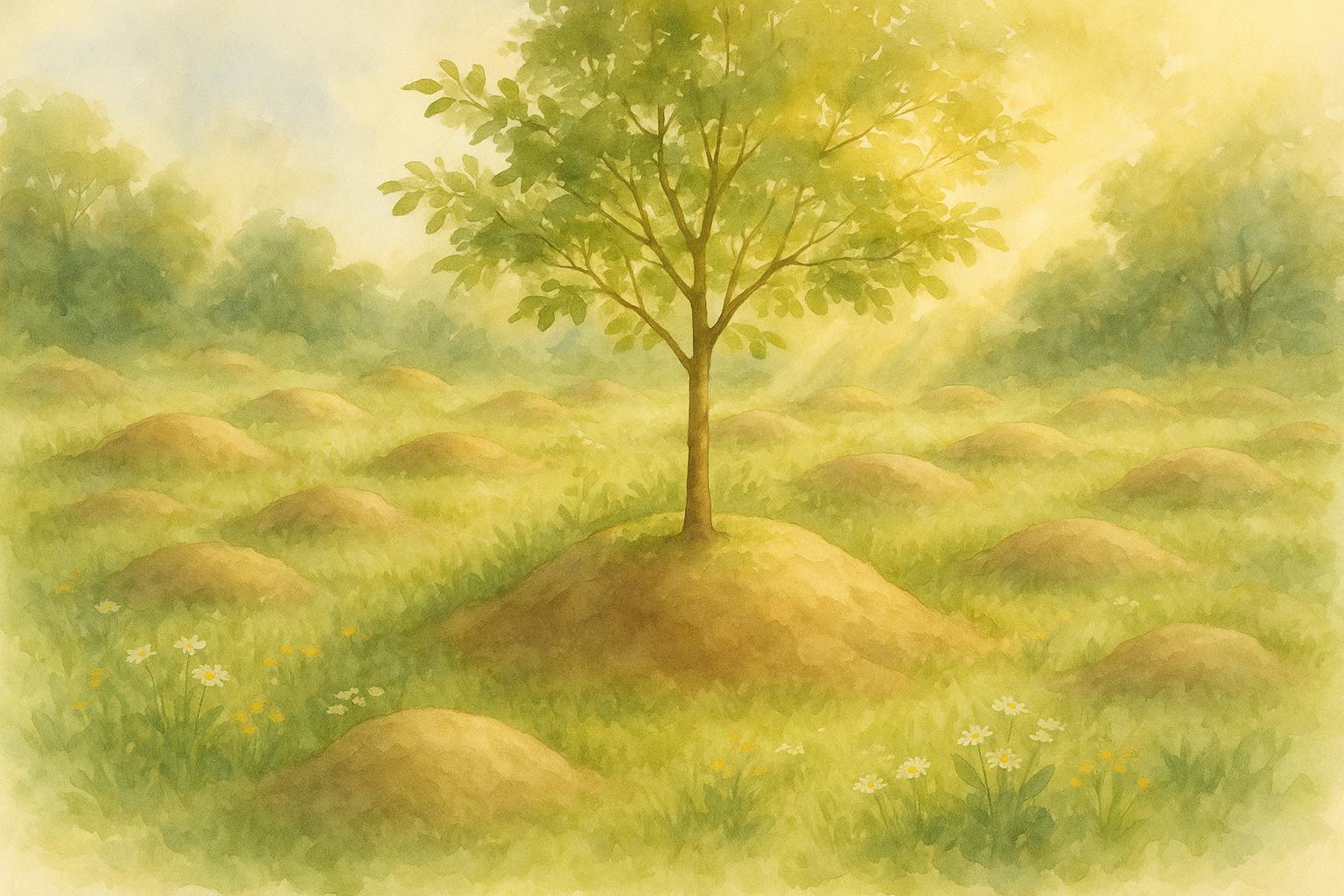
Eco-friendly memorials are growing in popularity as people seek to honor loved ones while reducing their impact on the planet. Traditional headstones often involve resource-intensive processes like quarrying and chemical treatments, but there are greener options that focus on natural materials and biodegradability. Here’s a quick overview of the main alternatives:
- Natural Stone Markers: Use minimally processed, locally sourced stones like fieldstone or slate. They’re durable, low-maintenance, and blend well with natural landscapes.
- Wooden Markers: Made from reclaimed or locally sourced wood, these decompose over time and enrich the soil. They’re affordable and customizable but have a shorter lifespan.
- Biodegradable and Plantable Memorials: Options like tree urns or burial pods turn remains into nutrients for trees or plants, creating living tributes that support ecosystems.
- Unmarked Burials and Living Memorials: Gravesites may be marked with native plants, natural boulders, or left unmarked, relying on GPS for location tracking.
These choices are often more affordable than conventional headstones and align with conservation goals. Whether you prefer a lasting natural stone or a biodegradable option that nourishes the earth, eco-friendly memorials offer meaningful ways to honor loved ones while respecting the planet.
What a Green Burial Really Looks Like
Natural Stone Markers
Natural stone markers provide a thoughtful, eco-conscious alternative to traditional headstones. These markers use stones like fieldstone, slate, and locally sourced native rocks that require minimal processing. By choosing these materials, families can honor their loved ones while also showing care for the environment.
One of the standout benefits is their environmental friendliness. Because these stones are often sourced locally, they significantly cut down on carbon emissions tied to long-distance transportation. Additionally, they avoid the heavy resource demands of quarrying and industrial refinement, making them a sustainable choice for memorials.
Another major advantage is their durability. Natural stone markers can endure for centuries. Unlike biodegradable options that break down over time, these markers weather naturally, gaining a unique patina that enhances their character. They don’t require replacement or maintenance involving chemicals, which further reduces their environmental impact.
From an aesthetic perspective, natural stones blend beautifully with their surroundings. When sourced from the same region where they’ll be placed, they reflect the local geology, creating a sense of harmony with the landscape. This connection to the land provides a level of authenticity that mass-produced headstones often lack.
Benefits of Natural Stones
Fieldstone is a popular choice for families looking for an eco-friendly option, as it’s often found on-site or nearby, virtually eliminating transportation-related emissions. Slate, on the other hand, is known for its durability and smooth surface, which is ideal for engraving.
Natural stones are also impressively resilient in various climates. Whether exposed to rain, snow, or extreme temperatures, they hold up well without needing extra treatments. Any weathering they undergo only adds to their historical and aesthetic value.
Cost is another factor where natural stones shine. Their minimal processing and local availability often make them more affordable than industrially processed materials like granite or marble, which come with higher costs due to quarrying, transportation, and finishing. Plus, their low maintenance needs mean families save on long-term expenses.
For an even more sustainable option, families can consider recycled or reclaimed stones. Existing headstones can be cleaned, resurfaced, and re-engraved, giving them a renewed purpose without extracting new materials. However, it’s important to check the stone’s condition and confirm cemetery guidelines before choosing this route.
Beyond their practicality and environmental advantages, natural stone markers offer an array of ways to create a personalized tribute.
Customization Options
Natural stone markers can be customized in meaningful ways. Engraving and carving techniques, used for centuries, allow families to add names, dates, symbols, or intricate designs. These hand-carved details can reflect the personality and values of the deceased, turning the marker into a deeply personal memorial.
To maintain sustainability during customization, families should opt for non-toxic engraving methods and avoid chemical finishes or synthetic treatments. Because the personalization is done on minimally processed, locally sourced stones, the process avoids the need for new material extraction or heavy industrial work.
Many green cemeteries actively promote the use of natural stone markers as part of their conservation efforts. These markers fit seamlessly into natural landscapes, supporting the cemetery’s dual purpose as both a place of remembrance and an ecological preserve. Before making a final decision, it’s wise to check cemetery guidelines regarding size, placement, and inscription methods.
With their lasting durability, minimal environmental impact, aesthetic charm, and rich customization possibilities, natural stone markers are becoming a favored choice for families seeking a meaningful and eco-friendly way to honor their loved ones.
Wooden Memorial Markers
Wooden memorial markers provide an eco-friendly option that naturally breaks down, enriching the soil as it decomposes. This biodegradable alternative is a thoughtful way to honor loved ones while giving back to the environment.
Unlike traditional granite or marble headstones, wooden markers require less processing and can often be sourced locally. This reduces carbon emissions and limits disruption to natural ecosystems. Over time – typically within 5 to 10 years, depending on the climate and soil conditions – these markers decompose, releasing nutrients and carbon back into the earth. This process aligns with green burial practices, which emphasize environmental harmony and stewardship.
In terms of cost, wooden markers are a more budget-friendly choice. Simple designs range from $200 to $500, while hand-carved options can cost between $800 and $1,500. Even at the higher end, they are generally more affordable than stone markers. These wooden memorials serve as temporary tributes that reflect the natural cycle of life.
Many green cemeteries advocate for wooden markers as part of their conservation-focused mission. These markers not only support the natural decomposition process but also blend seamlessly into burial grounds designed to double as ecological sanctuaries.
Wood Choices for Low Environmental Impact
The type of wood used for a memorial marker can significantly influence its environmental footprint. Opting for reclaimed wood – such as timber salvaged from old barns – or wood certified by the Forest Stewardship Council (FSC) helps reduce resource consumption. Reclaimed wood, in particular, prevents waste and avoids the need for new tree harvesting, while often showcasing unique grain patterns or patinas that add a sense of history to the marker.
Sourcing wood locally offers additional benefits. Native species require less transportation, cutting down on emissions, and their appearance often complements the surrounding landscape. Different regions in the U.S. offer excellent options for locally sourced wood:
- Northeastern states: Oak and maple are durable and feature attractive grain patterns.
- Southeastern regions: Cypress and pine naturally resist weathering.
- Midwestern and western areas: Regional hardwoods are well-suited to local climates.
Choosing untreated, locally sourced wood ensures the most environmentally conscious option. Untreated wood avoids chemical processing entirely, allowing it to decompose naturally within a few years. Many families find meaning in this natural timeline, viewing it as a symbolic return to the earth and a reflection of life’s cycles.
For the best results, consult with local woodworkers or green cemeteries. These experts can recommend wood species that balance environmental responsibility with practical considerations like durability and ease of engraving.
Preservation and Maintenance
Once you’ve selected the right wood, it’s important to consider how to balance preservation with biodegradability. This decision often depends on whether families prioritize longevity or full decomposition.
For those seeking a middle ground, natural finishes like plant-based oils or water-based sealants can provide some protection against rapid weathering while avoiding harmful chemicals. These finishes allow the wood to age gracefully while slightly extending its lifespan. However, families committed to a fully organic approach may prefer to leave the wood untreated, accepting its natural decomposition over a shorter period.
Untreated wooden markers will naturally develop a silvery-gray patina over time, eliminating the need for chemical cleaning. To secure the marker, biodegradable stakes or natural fasteners can be used. While some cemeteries may require concrete bases for stability, this compromises the marker’s biodegradability.
Maintenance involves occasional checks for rot, insect damage, or weathering, though these processes are expected in green burial settings. Detailed engravings will fade as the wood ages – a transformation that some families find poetic, symbolizing the passage of time and the impermanence of physical memorials.
When it comes to personalization, wooden markers offer plenty of options. Families can choose wood types based on their aesthetic preferences, while engravings can include names, dates, meaningful quotes, or symbols. Hand-carved designs, such as religious motifs or nature-inspired imagery, add a personal touch that reflects the deceased’s values and personality. Local artisans can create these custom engravings, ensuring the marker remains both personal and eco-friendly.
Before finalizing your choice, confirm cemetery guidelines and installation requirements to ensure compatibility with biodegradable markers.
Biodegradable and Plantable Memorials
Biodegradable and plantable memorials offer a meaningful way to honor loved ones while contributing to the environment. Instead of traditional stone or metal grave markers, these options create living tributes by turning remains into nutrients that support new plant life. This approach transforms remembrance into something dynamic and life-giving.
These memorials combine cremated remains or natural burials with biodegradable materials. As these materials decompose, they enrich the soil, nourishing plants and trees. This process not only integrates the remains into the natural ecosystem but also aligns with green burial principles, promoting sustainability and reducing environmental impact.
Traditional headstones, often made from quarried stone, require energy-intensive processes that generate significant carbon emissions. Plantable memorials, on the other hand, avoid these impacts entirely. For instance, a single mature tree can absorb about 48 pounds of carbon dioxide each year, while also producing oxygen, preventing soil erosion, and providing a habitat for wildlife.
In terms of cost, biodegradable memorials present an affordable alternative. Biodegradable urns typically cost between $100 and $300, while burial pods range from $400 to $600, with additional fees for planting and maintenance. These prices are often more economical than traditional headstones, which can exceed $1,000 and may require ongoing care.
Interest in these eco-friendly options is growing. A 2022 survey by the National Funeral Directors Association revealed that about 22% of Americans are interested in green burial practices, including plantable memorials and memorial forests. This shift reflects a broader movement toward sustainable end-of-life practices.
Here are some popular methods for creating biodegradable memorials that foster new life.
Tree Urns and Burial Pods
Tree urns and burial pods provide a hands-on way to create a living memorial. In the case of tree urns, cremated remains are combined with a sapling in a biodegradable container. As the urn decomposes, it nourishes the growing tree, creating a lasting tribute that can thrive for decades or even centuries.
Burial pods take this concept further by accommodating full-body natural burials. For example, the Capsula Mundi project in Italy introduced biodegradable pods in 2021. These pods are planted with a tree sapling, allowing the tree to grow using nutrients from the remains. Choosing a native tree species is crucial, as native trees are better suited to the local ecosystem, require less maintenance, and support local wildlife. Families can consult with arborists, native plant societies, or green cemetery administrators to select the best species for their area.
Memorial Forests
Memorial forests expand the idea of living tributes on a larger, communal scale. Managed by conservation groups or specialized funeral services, these forests allow families to plant trees or contribute to reforestation efforts in memory of their loved ones. Unlike traditional cemeteries, which primarily occupy land, memorial forests actively enhance ecosystems by increasing tree coverage and capturing carbon.
For instance, Bluestem Conservation Cemetery in Cedar Grove, North Carolina, offers natural burial options that include planting native trees and shrubs at burial sites. This practice not only honors individuals but also restores local ecosystems. Planting fees for memorial forests generally range from $200 to $500 per tree, often covering the cost of the sapling, labor, and initial care. Many memorial forests also provide detailed records and GPS coordinates for each tree, enabling families to visit and monitor their loved one’s living legacy.
Before committing to a memorial forest, families should confirm that tree planting is permitted at their chosen location, as regulations and cemetery policies vary. While some traditional cemeteries have strict rules about headstones and may restrict tree planting, green cemeteries and natural burial grounds are designed to accommodate these eco-friendly practices. Where green cemeteries aren’t available, families might explore planting options in designated areas of conventional cemeteries or even on private property, provided they obtain any necessary permissions.
sbb-itb-cfbc7e6
Living Memorials and Unmarked Natural Burials
Some families opt for memorials that leave no lasting trace, allowing burial sites to seamlessly blend into their surroundings. These choices reflect a minimalist approach, prioritizing harmony with the natural world over traditional markers.
Living memorials use native plants and trees as markers, transforming gravesites into thriving, living tributes. These plantings not only mark the burial site but also enhance biodiversity and provide habitats for wildlife. Over time, as these plants grow and change with the seasons, they create a lasting legacy that supports the environment. This method aligns with the broader goals of eco-friendly burials, offering a way to honor loved ones while giving back to nature.
Unmarked burials take this idea a step further by forgoing visible markers entirely. Instead, green cemeteries rely on GPS coordinates and natural features to identify grave locations. This approach allows the land to return to its natural state, offering families an alternative way to honor their loved ones while preserving the environment.
Natural Boulders and Engraved Rocks
For those who prefer something between traditional headstones and unmarked sites, natural boulders and engraved rocks provide a subtle option. These markers are made from stones found in the local environment, avoiding the need for quarried materials and blending seamlessly with the landscape.
Families can choose boulders that match the surrounding geology, ensuring the marker feels like a natural part of the terrain. Some green cemeteries even allow families to use found objects like stones or rocks as markers. Simple engravings can personalize these natural materials without adding to the environmental impact, as no new stone extraction is involved. Over time, these markers weather naturally, eventually returning to the earth without leaving behind synthetic residues.
This option is particularly suited to conservation burial grounds, where preserving the natural landscape is a priority. The stones are visible enough for family visits but avoid the stark, industrial appearance of traditional monuments. As vegetation grows around them, these markers become even more integrated into their surroundings, creating a peaceful and natural memorial.
For those seeking a completely marker-free option, unmarked burials provide a way to honor loved ones while ensuring the burial site remains indistinguishable from its surroundings.
Unmarked Burial Sites
Unmarked burial sites represent the most environmentally integrated option, allowing the body to return to the earth without any visible marker. This choice requires a shift in perspective about memorialization, as families embrace the idea of a resting place that blends entirely into the natural landscape.
Green cemeteries use GPS mapping and natural landmarks to document grave locations. Families receive detailed records, including precise coordinates and descriptions, enabling them to visit and remember their loved ones without altering the environment. Some cemeteries also use distinctive features like trees or rock formations as reference points.
For example, Life Forest, a conservation cemetery with locations in Hillsborough, New Hampshire, and Auburn, Maine, replaces traditional headstones with trees as living memorials for cremated and composted remains. Each burial plot is GPS-mapped and comes with documented, deeded rights protected under cemetery law, ensuring accessibility for future generations. This model demonstrates how unmarked burials can balance practicality with environmental preservation.
Families are typically provided with GPS coordinates, maps, and written descriptions of the burial site. Many cemeteries also offer digital access to these records, making it easy to locate gravesites remotely. This ensures that even without visible markers, burial locations remain identifiable for generations while preserving the natural beauty of the area.
Before choosing an unmarked burial, families should consider the practical aspects. It’s important to discuss these plans with loved ones and clearly document preferences in wills or pre-planning documents. Verifying the cemetery’s record-keeping practices and long-term protocols is also crucial to ensure the grave’s location remains accessible over time.
Creating a family record with burial details, cemetery contact information, and instructions for accessing location data can provide peace of mind. Storing this information in secure digital platforms or with estate planning professionals adds an extra layer of protection against the loss of physical records.
Unmarked burials often come with a cost advantage. By eliminating expenses for materials, engraving, and installation, this option tends to be the most affordable among eco-friendly burial choices. Families typically only pay for documentation, GPS mapping, and record-keeping services.
Green cemeteries also serve as conservation areas, where burial practices directly contribute to ecosystem restoration. By choosing an unmarked burial, families actively participate in preserving and restoring natural landscapes, ensuring their memorial decisions have a lasting, positive impact on the environment.
How to Choose the Right Eco-Friendly Memorial Marker
When it comes to selecting an eco-friendly memorial marker, it’s all about balancing cemetery rules, budget, and your commitment to environmentally conscious choices. With a growing range of options available, making an informed decision can help you honor your loved one in a meaningful way while staying true to your values.
Before you dive into options, check the cemetery’s guidelines. This step is crucial to avoid unnecessary expenses or setbacks during what is already a challenging time. Different cemeteries have varying rules about materials and marker styles, so understanding these upfront is key.
Understanding Cemetery Guidelines
Cemeteries fall into three main categories, each with its own approach to memorial markers.
Green cemeteries are the strictest when it comes to environmental standards. They typically require all materials – whether for the grave or the marker – to be biodegradable or naturally derived. Traditional granite headstones, embalming chemicals, and non-biodegradable caskets are usually not allowed. Markers in these cemeteries often need to lie flat, avoid polished finishes, and harmonize with the natural surroundings. Locally sourced stones like limestone, sandstone, marble, fieldstone, or slate are often preferred, while some cemeteries even encourage living memorials, such as planting native vegetation in place of a traditional marker.
Hybrid green cemeteries offer more flexibility. While they maintain eco-friendly principles, they may allow traditional markers or headstones, giving families a broader range of options that blend environmental values with familiar styles.
Conventional cemeteries generally have fewer restrictions. Standard granite or marble headstones are the norm, but many are becoming more open to eco-friendly options. Even in these settings, you can make greener choices by skipping embalming or using biodegradable caskets. If a vault is required, ask about modifications like an open-bottom design, drilled holes, or inverting the vault to allow for natural decomposition.
It’s a good idea to get written confirmation from the cemetery about what’s allowed, including dimensions and costs. Also, check for any local legal requirements regarding embalming, grave liners, or marker materials. Communicating your wishes clearly with family members or in pre-planning documents can help ensure everything aligns with your preferences.
Once you’ve clarified the rules, it’s time to evaluate your options based on cost, durability, and environmental impact.
Cost and Environmental Impact Comparison
After understanding cemetery requirements, compare marker options to find the best fit for your needs. Here’s a breakdown of some popular eco-friendly choices:
- Recycled and refurbished headstones: These are often the most budget-friendly. By cleaning, resurfacing, and re-engraving existing stones, you save on the cost of new materials while reducing resource extraction. However, not all cemeteries accept recycled stones, and some older stones may not be suitable for reuse.
- Natural stone markers: Locally sourced stones have a smaller carbon footprint and lower transportation costs compared to imported materials. They typically fall into the mid-range price category and support local artisans. These markers also blend well with the natural surroundings.
- Wooden markers: Made from reclaimed or sustainably sourced wood, these markers are a mid-range option. Elevated wooden markers last longer, as they’re less exposed to moisture and soil, while ground-level markers decompose more quickly. Elevated markers can remain legible for several years, making them a meaningful choice during the period when visits are most frequent.
- Living memorials: Planting native trees or plants offers moderate costs and significant environmental benefits. These options promote biodiversity and create thriving ecosystems. Native species are low-maintenance, as they naturally adapt to the area. Some cemeteries even collaborate with local experts to help families design personalized living tributes.
- Biodegradable urns with trees: These combine green burial practices with reforestation efforts. Costs vary based on the product and tree species, but they offer benefits like carbon absorption, habitat creation, and improved soil health.
The table below summarizes the key differences among these options:
| Marker Type | Cost Range | Durability | Environmental Benefits | Maintenance Needs |
|---|---|---|---|---|
| Recycled/Refurbished Stones | Low | Decades to centuries | Reduces resource use, no new materials | Minimal |
| Natural Stone (Local) | Moderate | Decades to centuries | Low carbon footprint, supports local | Minimal |
| Wooden Markers (Elevated) | Low-Moderate | Several years | Biodegradable, renewable resource | Moderate weathering |
| Wooden Markers (Ground-Level) | Low | 1–3 years | Fully biodegradable, returns to earth | Rapid decomposition |
| Living Memorials (Plants/Trees) | Moderate | Decades (growing) | Promotes biodiversity, habitat creation | Low (native species) |
| Biodegradable Urns with Trees | Moderate-High | Decades (tree growth) | Carbon sequestration, reforestation | Moderate (tree care) |
| Natural Boulders | Low-Moderate | Centuries | No extraction, uses found materials | Minimal |
Choosing the right eco-friendly memorial marker means considering personal preferences alongside practical factors like cemetery rules, costs, and environmental impact. With thoughtful planning and open communication, you can select a marker that reflects your values while honoring your loved one.
Conclusion
Opting for an eco-friendly memorial marker not only commemorates a loved one but also aligns with a commitment to sustainability. These markers offer a meaningful way to honor someone’s life while minimizing environmental impact.
Traditional headstones often come with a hefty environmental cost due to quarrying, long-distance transportation, and energy-heavy manufacturing processes, all of which contribute to higher carbon emissions. On the other hand, eco-friendly alternatives – like locally sourced natural stones, biodegradable wooden markers, or living memorial trees – significantly reduce these impacts. They achieve this through sustainable material choices, shorter transportation distances, and less energy-intensive production methods.
Memorial trees, in particular, provide additional benefits by supporting biodiversity, combating deforestation, and capturing carbon from the atmosphere. Similarly, green burial practices that avoid embalming chemicals help safeguard soil and groundwater from contamination. Even smaller choices, such as selecting untreated local wood or recycled materials, can lessen the demand for resource-heavy manufacturing.
Choosing eco-friendly memorials also offers profound emotional and spiritual rewards. Many families find comfort in the idea of their loved one becoming part of nature’s cycle, which can provide a sense of peace and closure. Watching a memorial tree thrive over the years can serve as a living, growing symbol of a loved one’s legacy.
Additionally, these environmentally conscious options often come with the added benefit of lower costs and simpler planning processes.
FAQs
What are the environmental advantages of using biodegradable or plantable memorials instead of traditional headstones?
Choosing biodegradable or plantable memorials instead of traditional headstones comes with several environmental advantages. These alternatives are made to decompose naturally over time, which helps minimize the lasting impact of materials like granite or concrete that don’t break down easily.
Plantable memorials, such as trees or wildflowers, go a step further by giving back to the environment. They can enhance biodiversity, boost air quality, and serve as living, enduring tributes. Opting for these greener choices allows you to remember a loved one while contributing to a healthier planet.
How do green cemeteries help families find loved ones in unmarked burial sites?
Green cemeteries take a thoughtful approach to marking burial sites by using natural landmarks, GPS technology, or detailed site records to help families find unmarked graves. Instead of traditional headstones, they may use trees, shrubs, or other elements of the natural landscape as subtle markers.
In many cases, families are provided with GPS coordinates or access to a digital map of the cemetery. This ensures gravesites can be located without disrupting the surrounding environment. It’s a method that reflects the eco-conscious values of green burial grounds while still giving families a meaningful way to remember and visit their loved ones.
What should I consider when choosing between a natural stone marker and a wooden memorial marker for an eco-friendly burial?
When choosing between a natural stone marker and a wooden memorial marker, it’s essential to weigh factors like longevity, environmental considerations, and personal taste.
Natural stone markers are known for their durability and resistance to weather, requiring minimal upkeep. They offer a long-lasting tribute but may involve energy-intensive processing, depending on the type of stone. On the other hand, wooden markers are biodegradable and often made from sustainably sourced wood. While they naturally break down over time, this aligns with eco-friendly values and can add a meaningful touch for those prioritizing sustainability.
Your decision might also be influenced by the burial site’s regulations, local climate conditions, or your personal connection to the material. Both options provide a thoughtful way to honor a loved one while considering the environment. Take the time to explore what resonates most with your values and preferences.