
Fact-checked against primary sources on October 15, 2026.
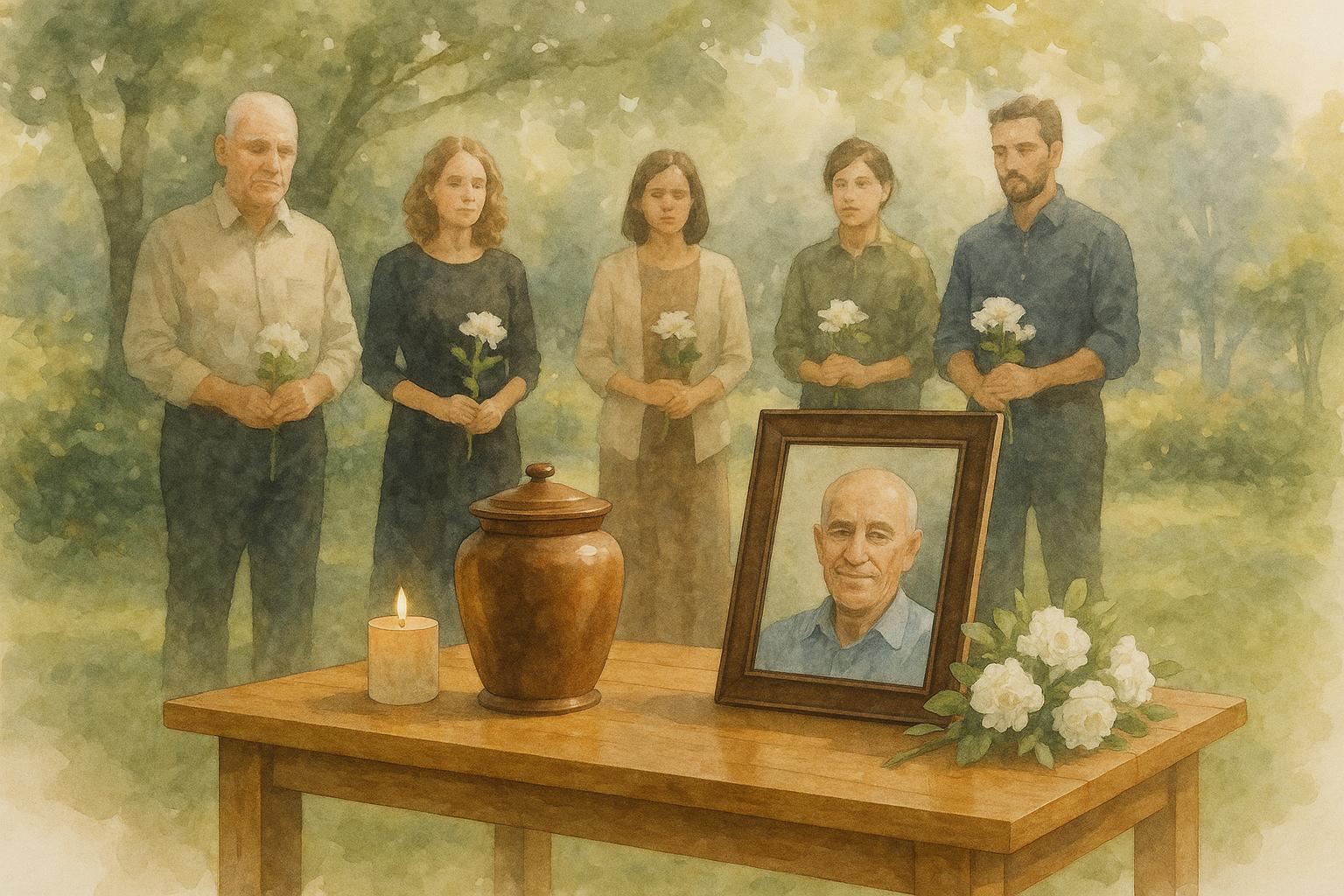
Secular funerals are non-religious ceremonies that honor a person’s life without religious rituals. They center on the person’s life, relationships and values, and families are free to shape them as they like. They’re often chosen for atheists, agnostics, humanists, or people with no religious affiliation. A family that wants a Christian service without a denomination’s set rite can plan a nondenominational funeral instead.
Key aspects include:
- Structure: Includes eulogies, music, readings, and moments of silence, but replaces hymns and scriptures with personal elements like favorite songs or literary passages.
- Celebrants: Professionals who guide the ceremony, ensuring it reflects the person’s life and values.
- Costs: The same as for a religious funeral, because the main costs come from burial or cremation, not the ceremony. The National Funeral Directors Association’s (NFDA) 2023 national median was $8,300 for a funeral with a viewing and burial and $6,280 for one with a viewing and cremation, before any cemetery charges. Direct cremation, with no service beforehand, started at $749 to $3,195 on ten providers’ price lists we read in November 2026.
- Venues: Options range from funeral homes to outdoor spaces, private residences, or unique locations tied to the deceased’s interests.
Secular funerals let families honor someone in a way that reflects the life they lived.
What Makes Secular Funeral Services Different
The key difference between secular and religious funerals lies in their focus and tone. Religious funerals are rooted in spiritual beliefs, often centering on the afterlife and incorporating prayers, scriptures, and rituals tied to a specific faith. Secular services, on the other hand, focus entirely on celebrating the life of the individual – highlighting their achievements, relationships, and values without incorporating religious elements.
Instead of hymns or passages from sacred texts, a secular funeral may include the deceased’s favorite songs or excerpts from cherished books. Personal stories and anecdotes take the place of religious readings, creating a service that feels deeply personal and reflective of the individual.
Secular funerals are flexible. Unlike religious ceremonies, which often follow a structured format dictated by tradition, secular services allow families to design a ceremony that reflects their loved one’s personality, interests, and worldview. This makes them a natural choice for those who were atheists, agnostics, humanists, or simply not affiliated with any specific faith. An experienced secular celebrant can help families bring this vision to life.
What Secular Celebrants Do
Secular celebrants play a central role in crafting a personalized service. They create ceremonies that honor the individual without religious elements, and they work closely with families so the service matches their wishes.
A celebrant’s main responsibility is to set the tone and guide the flow of the ceremony. They open with welcoming remarks, help transition between segments, and keep the event well structured while keeping the focus on the deceased’s life. They weave together eulogies, readings, music, and moments of silence into one tribute.
Beyond managing logistics, celebrants help families choose meaningful elements that honor the deceased. Whether it’s helping to select personal stories, cherished memories, or unique tributes, their guidance helps the service feel true to the person and comforting for everyone present.
When choosing a celebrant, look for someone experienced in creating non-religious ceremonies. It’s important to feel a connection with their communication style and trust that they understand your vision. Your funeral home may be able to recommend celebrants, and The Humanist Society keeps a directory of the Humanist Celebrants it endorses.
What to Include in a Secular Service
One of the most appealing aspects of a secular funeral is the freedom to include elements that represent the person being honored. The focus is on creating a ceremony that feels personal and authentic.
Music selections are often a highlight of secular services. Unlike religious funerals, which typically include hymns, secular ceremonies can use any music that held meaning for the deceased. Whether it’s a favorite pop song, a classic jazz piece, or a movie soundtrack, the choices are up to the family.
Readings and literary selections replace traditional scripture. These can include excerpts from favorite novels, poetry, or even song lyrics; our funeral readings list includes secular choices. The key is to choose words that reflect the personality, values, and spirit of the individual.
Personal tributes and eulogies are at the heart of most secular services. Family members and friends often share stories, memories, and reflections that celebrate the deceased’s life and legacy. Unlike formal religious eulogies, these tributes can be conversational and intimate, capturing the person’s character and voice.
Many families also create tribute videos to show the person’s life. These presentations often include photos, video clips, and music, offering a visual story of their experiences, passions, and relationships.
Cultural traditions and family customs can also be incorporated into secular services, provided they align with the non-religious nature of the ceremony. This might involve playing culturally significant music, serving traditional foods at a reception, or including rituals that honor the family’s heritage.
A moment of silence is another common feature, offering attendees a chance for personal reflection and to quietly honor their own memories of the deceased.
Finally, the service typically ends with closing remarks and acknowledgments, thanking attendees for their support and giving details about any reception or gathering. If the body is present, the committal at the grave or crematory serves as the ceremony’s final act.
How Much Secular Funeral Services Cost
Knowing the costs associated with secular funerals helps families make informed choices. The pricing structure for secular funerals is the same as for religious services, as the main expenses stem from the method of disposition – cremation or burial – rather than the ceremony’s religious or non-religious nature.
In NFDA’s 2023 price study, the national median for a funeral with a viewing and burial was $8,300 ($9,995 with a vault), and for a funeral with a viewing and cremation it was $6,280. Neither figure includes cemetery charges such as the plot, opening and closing the grave, or a headstone. These figures apply to both secular and religious ceremonies, since the major costs – such as caskets, burial plots, or cremation fees – are the same for both types of services.
Geography plays a role in funeral costs. NFDA’s regional medians for a funeral with a viewing and burial ran from $7,390 in the Mountain states to $8,985 in New England, and for one with a viewing and cremation from $5,505 to $7,023 in the same two regions.
Under the Federal Trade Commission‘s Funeral Rule, a funeral home must give you an itemized General Price List that is yours to keep. Always ask for it and compare costs across different providers in your area.
Cremation Service Costs
For secular services, cremation is the less expensive of the two: NFDA’s 2023 median with a viewing was about $2,000 below the median with burial. Direct cremation, which skips the viewing and service beforehand, costs less still. On ten providers’ price lists we read in November 2026, one per metro area, it started at $749 in Houston to $3,195 in the New York City area with the provider’s own container, and one California provider charged $1,015 in October 2026 if the family supplied its own container. Prices vary by provider and location, so ask for each home’s General Price List.
Direct cremation reduces costs by skipping embalming, viewings, and expensive caskets. No state or local law requires a casket for cremation, and funeral homes that offer cremation must make a simple alternative container available; NFDA’s 2023 median for one was $160.
Many families prefer direct cremation because it allows flexibility in planning a memorial service. After cremation, you can organize a celebration of life at a later time and location – whether that’s a park, community center, or even at home. This removes the time pressure of coordinating everything around a burial.
If you plan to hold a memorial service following cremation, factor in extra costs. A funeral home’s charge for use of its facilities and staff for a ceremony had a 2023 median of $550. Larger celebrations at other venues, such as restaurants or rented halls, depend on catering, decorations, and equipment; get written quotes.
For the cremated remains, the median urn on funeral home price lists was $295 in 2023, though prices vary based on design and material. Some families opt to scatter ashes or use a simple container, further reducing expenses.
Burial Service Costs
For those opting for burial, NFDA’s 2023 median of $8,300 covers the funeral home’s services, a metal casket and the hearse; the cemetery’s charges for the plot and for opening and closing the grave come on top.
Here’s a breakdown of major burial expenses:
- Cemetery plots: A single grave ranged from $650 at a city cemetery in Casper, Wyoming, to $32,000 at Green-Wood Cemetery in Brooklyn, New York, on the ten cemetery price lists we checked in October 2026. See burial plot costs.
- Caskets: NFDA’s 2023 median for a metal burial casket was $2,500. Online, caskets we found in October 2026 ran from about $1,200 to almost $20,000.
- Grave opening and closing fees: An adult casket burial cost $850 to $2,700 at the cemeteries we checked in October 2026.
- Burial vaults: NFDA’s 2023 median was $1,695. No state law requires an outer burial container, but many cemeteries require one to prevent the grave from caving in.
The funeral home’s basic services fee, which covers the funeral director’s and staff’s services and overhead, had a 2023 median of about $2,500. It’s the one charge you usually can’t decline; transferring the body ($395 median) and the hearse ($375) are separate lines. Choosing a simpler casket or opting for direct burial – where there’s no viewing or formal ceremony – can help reduce costs. NFDA publishes no median for direct burial, so compare the immediate burial prices on local price lists (see burial vs. cremation costs).
Green or woodland burials appeal to families seeking an eco-friendly and secular option. They skip embalming, use biodegradable caskets or shrouds, and take place in natural burial grounds rather than conventional cemeteries.
The Green Burial Council says green burial costs “can be less, the same, or more than conventional options, depending on the merchandise and services chosen.” Some of the cost of a conventional burial is avoided by skipping embalming, vaults and costly caskets.
Additional costs for secular services might include:
- Celebrant fees: Set by each celebrant. Three who publish their rates, checked in October 2026: a Humanist Celebrant in the Seattle area quotes from about $500 ($50 an hour, about 10 hours); a celebrant in Albuquerque charges $650 plus New Mexico gross receipts tax; and one in Potomac, Maryland, charges $550 for officiating when the family writes the eulogy and $2,500 for a fully personalized service. Travel can cost extra.
- Venue rental: If not using a funeral home, prices vary widely by venue; get a written quote. A funeral home’s facilities and staff for a ceremony had a 2023 median of $550.
- Catering and refreshments: Depend on the number of guests and the menu.
- Music and audio-visual equipment: Ask the venue what it provides and what it charges.
- Flowers and decorations: Vary with the florist and the season.
- Printed programs: A funeral home’s basic memorial printed package had a 2023 median of $195.
- Transportation of the deceased: NFDA’s 2023 medians were $395 to transfer the body to the funeral home and $375 for a hearse.
How to Plan a Secular Funeral Service
Once you’ve envisioned the tone and content of the service, thoughtful planning can bring all the personalized details together. Begin by gathering close family and friends to discuss the deceased’s personality, interests, and any known preferences. If they left written instructions or shared their wishes during conversations, these can guide decisions and help avoid potential disagreements.
It’s often helpful to appoint a primary decision-maker or a small planning group to manage the process. This team can coordinate with the funeral home, keep everyone informed, and handle the budget. Early on, contact a funeral home or cremation service to assist with paperwork, transportation, and arrangements for burial or cremation. Ask for the General Price List upfront; the Federal Trade Commission’s Funeral Rule requires funeral homes to give you one.
For the ceremony itself, consider hiring a secular celebrant. Fees are set by each celebrant; the three we found with published rates in October 2026 charged $500 to $2,500, depending on how much writing and travel the service needs. Ask for a written quote that says what the fee covers. A skilled celebrant will take the time to learn about the deceased’s life and work closely with the family to craft a meaningful service.
Create a timeline to organize tasks like booking a venue, selecting speakers, choosing music, and planning the reception. Delegate responsibilities so every detail is covered. From here, you can focus on specific steps to streamline the planning process.
Selecting a Venue
The venue plays a crucial role in setting the atmosphere of the service. As the Funeral Consumers Alliance puts it, “A memorial service can be celebrated almost anywhere–church, private home, funeral home, hotel, public meeting space, beach, or park.” In NFDA’s 2025 consumer survey, 58.3% of respondents said they had attended a funeral at a non-traditional location.
Funeral homes are a practical choice, offering professional facilities with adaptable spaces like viewing rooms and chapels. NFDA’s 2023 median for use of a funeral home’s facilities and staff for a funeral ceremony was $550.
Outdoor settings such as parks, gardens, or beaches provide a peaceful backdrop. Check with the park or beach authority whether a gathering needs a permit; private outdoor venues often charge rental fees that vary widely.
For a more intimate setting, family homes or private residences can be ideal, especially for smaller groups. These options often eliminate venue costs entirely. Alternatively, community centers, event spaces, or restaurants can accommodate larger groups, with rental fees depending on the location and amenities. Some families choose unique venues that reflect the deceased’s passions – like an art gallery, sports club, or library – to add a personal touch. When evaluating venues, consider practical details such as guest capacity, accessibility, and any audio-visual needs.
Once the venue is secured, focus on tailoring the ceremony to honor the individual’s life.
Adding Personal Touches to the Ceremony
Personalization turns a secular funeral into a heartfelt celebration of the deceased’s life. Without the framework of traditional religious rituals, families have the freedom to include elements that reflect the individual.
Music and video tributes can bring the person’s story to life. Choose songs that held special meaning – whether classical, jazz, pop, or something else – and consider creating a video montage of photos, home videos, and recorded messages. Display this on a large screen during the service, and offer digital copies for attendees who’d like to keep it.
Stories and displays further honor their legacy. Invite speakers to share personal anecdotes that highlight their character and impact. Create displays of treasured mementos – such as photos, artwork, or items related to hobbies – to give guests a deeper sense of who they were. Memory boards, where attendees can leave messages or photos, are another meaningful option. Some families also encourage charitable donations in the deceased’s name to support causes they cared about.
Decorations can reflect the individual’s passions. For example, potted plants might honor a gardening enthusiast, while sports memorabilia could celebrate a dedicated fan. For a traveler, maps and photos from their adventures might feel fitting. Focus on authenticity rather than elaborate details.
Incorporate moments of silence or reflection to give attendees space to process their emotions and remember the deceased in their own way. These pauses can be adjusted to suit the flow of the ceremony.
Printed or digital programs help guests follow the service and provide a keepsake. These typically include the order of events, a list of speakers and musical selections, and photos or readings that commemorate the deceased.
If a reception follows the service, it’s another chance to add personal touches. Serve comfort foods, dishes tied to the individual’s heritage, or their favorite meals. Catering costs will depend on the number of guests and menu choices, so plan accordingly while keeping the deceased’s tastes in mind.
Myths About Secular Funeral Services
Several misconceptions still surround secular funerals. These misunderstandings often stem from unfamiliarity rather than any actual flaws. Let’s address two common myths and look at the emotional depth and flexibility these services offer.
Myth: Secular Services Are Less Meaningful
A common assumption is that secular funerals lack the emotional weight of religious ceremonies because they don’t include prayers or traditional rituals. This idea misses what makes a funeral meaningful.
Secular funerals create emotional depth by focusing on the individual’s life and legacy. Instead of following religious customs, these services celebrate the person’s life – their values, personality, relationships, and the impact they left behind. The emphasis is on authenticity and personalization, which can make the ceremony resonate with those in attendance.
Personal touches are key. Families often replace standard hymns and religious texts with favorite songs, meaningful literary excerpts, or heartfelt anecdotes. These elements make the service feel intimate and true to the person.
The structure of a secular funeral also supports the grieving process. These ceremonies typically include elements like introductions, music, readings, eulogies, videos, and closing remarks. While the content differs from religious services, the organized format provides the same sense of dignity and purpose – no religious framework required.
Myth: Secular Funerals Can’t Include Family Traditions
Another misconception is that secular funerals exclude family traditions or cultural customs. They don’t have to.
Secular services can embrace non-religious traditions, allowing families to incorporate meaningful customs that honor their heritage. From traditional music to cherished rituals, these elements can blend into the ceremony, provided they don’t rely on religious doctrine.
This flexibility makes it possible to respect cultural roots while staying true to the deceased’s non-religious worldview. Secular funerals don’t force families to choose between tradition and authenticity.
Ultimately, the significance of any funeral – religious or secular – lies in how well it celebrates the life and values of the person being remembered.
Next Step
Secular funerals pay tribute to loved ones by focusing on their values, relationships, and life stories, and a skilled celebrant can help weave those elements into one ceremony. Start by asking two or three funeral homes or cremation providers for their General Price Lists, and ask each celebrant you contact for a written quote that says what the fee covers.
FAQs
How can I make sure a secular funeral service reflects my loved one’s unique personality and values?
To create a secular funeral service that reflects your loved one’s life and values, focus on making it personal. Include elements that highlight their passions, accomplishments, and beliefs. Think about playing their favorite songs, sharing meaningful readings, or showing a slideshow of treasured memories.
Work with your celebrant or funeral director to craft a ceremony that feels true to who they were. You might also involve family and friends by inviting them to share stories or take part in the service.
What are some unique locations to consider for a secular funeral service?
Secular funeral services can be held in a variety of locations that carry personal significance. Outdoor spaces like parks, gardens, or other natural settings are popular choices, especially for someone who cherished the outdoors. For a more intimate atmosphere, community centers, art galleries, or even a private home can provide a warm and welcoming environment.
To make the service even more meaningful, consider a venue that reflects the individual’s passions or hobbies. For instance, a theater, museum, or their favorite beach could serve as a fitting tribute. Check whether the place needs a permit or charges a rental fee before you set the date.
How can families honor cultural traditions in a secular funeral without incorporating religious elements?
Families can celebrate their heritage in a secular funeral by emphasizing non-religious elements that honor the deceased’s background and life story. This could involve choosing music with deep personal or cultural significance, sharing poetry or literature tied to their heritage, serving traditional dishes, or including symbolic acts like lighting candles or showcasing meaningful items that reflect their roots.
The focus should be on creating a tribute that feels true and respectful, highlighting the individual’s life and culture without incorporating religious practices.
