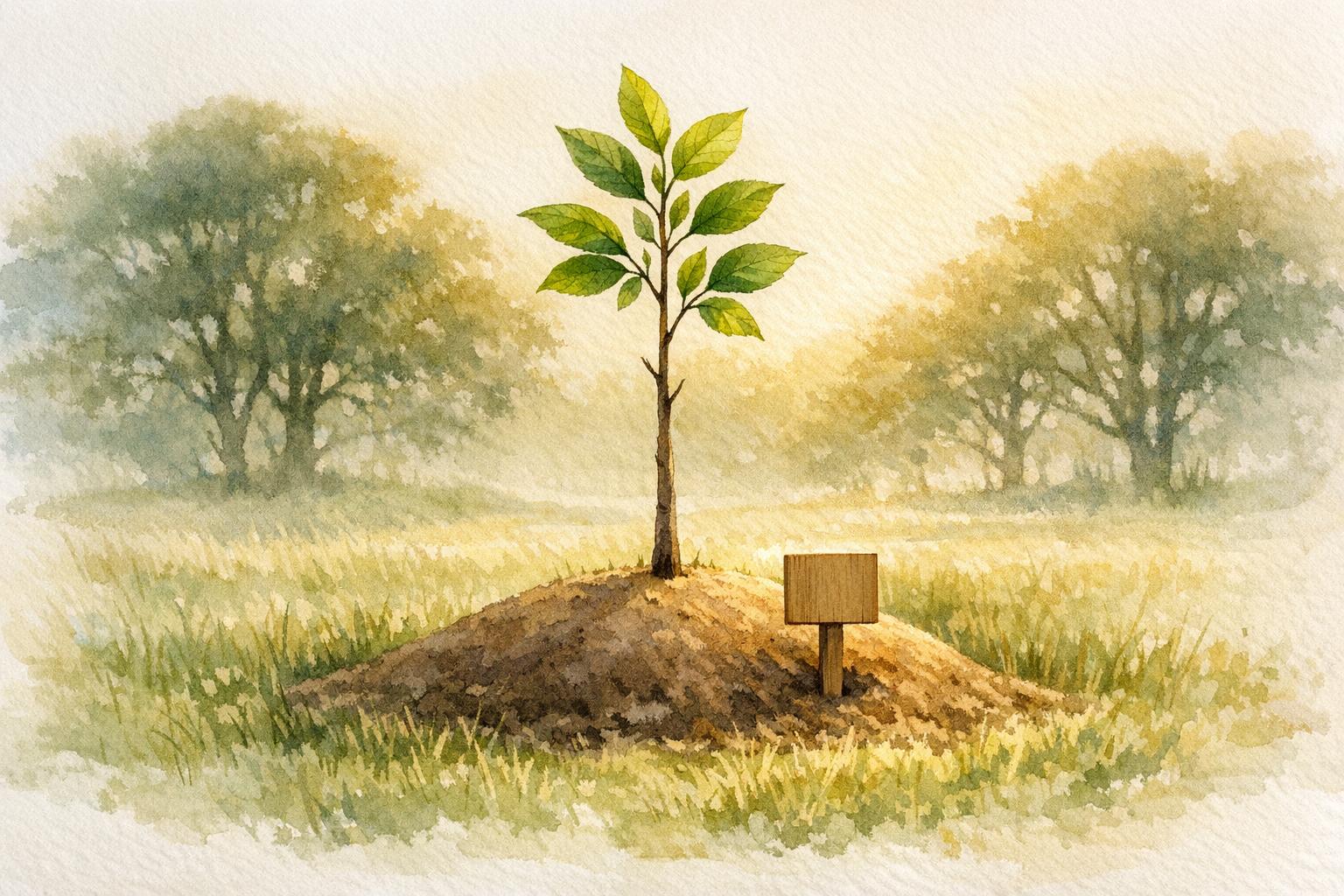
Tree pod burial is an eco-friendly alternative to traditional burials, where human remains are placed in biodegradable pods and buried under a tree sapling. This approach offers a lower-cost option (typically $1,000–$4,500) compared to conventional funerals ($7,000–$12,000) while contributing positively to nature. Cremation pods are widely available, while whole-body pods face legal and logistical limitations in the U.S.
Key Points:
- How It Works: Cremated or composted remains nourish a tree through a biodegradable pod.
- Cost Range: $1,000–$4,500, including pod, tree, and burial site fees.
- Options:
- Cremation pods: Readily available and priced between $99–$500.
- Whole-body pods: Limited availability due to U.S. regulations.
- Legal Considerations: Burial laws vary by state; permits and cemetery rules apply.
- Tree Selection: Native species are recommended for better growth and ecosystem support.
Tree pod burial is gaining popularity as more people seek meaningful ways to honor loved ones while reducing environmental impact.

Tree Pod Burial vs Traditional Funeral Cost Comparison
Forget Coffins – Organic Burial Pods Will Turn Your Loved Ones Into Trees
sbb-itb-cfbc7e6
What Is Tree Pod Burial?
Tree pod burial is an eco-friendly burial method where human remains are placed in a biodegradable pod that naturally decomposes in the soil. A tree sapling is planted above the pod, allowing the nutrients from the decomposing remains to nourish the tree. Instead of traditional grave markers, the site becomes a living memorial – a tree that grows and thrives over time.
Francesco D’Angelo and Adriano Del Ferro, the creators of Capsula Mundi, describe it this way: "Tree pod burials will allow the family of the deceased to participate in and recognize the natural systems of transformation that occur when something dies. New life (the tree) is nurtured by the decay of old life (the body)".
This method not only honors the deceased but also benefits the planet by capturing carbon and supporting local ecosystems. There are currently two main types of tree pod burial options: cremation ash pods and whole body pods.
Cremation Ash Pods
Cremation ash pods are the most widely available option. These small, biodegradable urns are made from materials like plant-based bioplastics, compressed cellulose, or natural fibers. Popular products include The Living Urn ($135–$329), Bios Urn ($99–$150), and Capsula Mundi urns ($370–$465).
Since human ashes are highly alkaline and can harm young trees, manufacturers have developed pods with biodegradable polymers that neutralize acidity, dilute harmful salts, and release ashes gradually. This process allows the soil to naturally adjust its pH levels over time. These urns typically break down completely within two years, leaving behind enriched soil and healthy tree roots.
Whole Body Pods
Whole body pods are designed for unembalmed bodies, placed in a large, egg-shaped capsule. This design symbolizes life’s cyclical nature, with the pod acting as a "seed" for the tree. Capsula Mundi’s Italian designers envision transforming traditional cemeteries into lush memorial forests through this approach.
However, in the United States, whole body pods face significant legal and logistical challenges. They are not yet available for purchase and are restricted by laws in many states that require traditional caskets or burial vaults and specific burial depths. While this concept avoids the environmental impact of cremation – such as the 535 pounds of CO₂ released per cremation – it remains more of an idea than a practical option for most American families.
How Tree Pod Burial Works: Step-by-Step
Here’s a breakdown of how tree pod burial creates a lasting, environmentally friendly tribute.
1. Selecting the Pod
First, decide between a cremation ash pod or a whole body pod. Cremation pods are widely accessible and practical for most families, while whole body pods are still largely theoretical due to legal restrictions in many states.
The burial site plays a big role. Cremation pods offer flexibility – you can place them on private property, in memorial forests, or even use indoor versions for bonsai trees. Whole body pods, on the other hand, require more space and must adhere to green cemetery rules. Before buying, check if your chosen location mandates burial vaults or caskets, as this could limit your options.
The pod material is also key. Look for biodegradable materials like plant-based bioplastics, compressed cellulose, or natural starches that decompose safely. For cremation ashes, choose a pod with pH-neutralizing additives to protect the tree’s roots from damage.
Once the pod is selected, the next step is preparing the remains for burial.
2. Preparing the Remains
For cremation pods, mix the ashes with soil additives designed to neutralize their high pH levels. This prevents harm to the tree’s roots.
"Cremation ashes have a high pH and can be damaging to trees and plants – the additional materials are designed to prevent such issues." – Tom Harries, Green Funeral Practice
If using a whole body pod, the body must remain unembalmed to avoid introducing toxins to the soil. The deceased is wrapped in natural fibers like cotton, linen, or silk since synthetic materials don’t break down. The body is positioned in a fetal posture within the pod, which is buried about 3.5 feet deep to deter wildlife.
With the remains ready, it’s time to select the tree.
3. Choosing the Tree
Pick a tree species native to your area, as these thrive better and support local ecosystems. Native trees are more resilient than ornamental ones. If you’re not purchasing through a pod provider, consult a local nursery to find species suited to your region.
Opt for a young sapling between 2 and 4 feet tall with an established root system. Providers like The Living Urn offer saplings in this size because they are more likely to thrive than seeds. Saplings typically cost between $25 and $36.
4. Burial and Planting
Dig a hole deep enough for the pod and place it in the ground, positioning the sapling directly above it. For cremation pods, the ashes and soil additives go into the pod, which is then buried with the sapling planted on top.
"As the pod decomposes, it releases nutrients that help the tree grow, creating a living memorial." – Gentle Burial
To help the tree establish itself, add mulch or wood chips around the base to retain moisture and encourage healthy early growth.
5. Post-Planting Care
During the first few years, water the tree regularly to ensure its root system develops properly. Consistent moisture is crucial as the roots spread and access nutrients from the decomposing pod.
Keep an eye out for pests, diseases, and environmental stress. Occasional pruning helps maintain the tree’s health and structure. For locations where traditional markers aren’t allowed, you can use GPS coordinates or apps like Ecorial to pinpoint and revisit your tree’s exact spot.
Legal Requirements and Burial Locations
Tree pod burials are permitted across the United States, but state laws and regulations differ. It’s essential to ensure all necessary paperwork is in place before proceeding with the burial.
State Regulations and Permits
A death certificate is required in every state before a burial can occur. Additionally, most states mandate a burial-transit permit (sometimes called a permit for disposition) to authorize the burial site. If you’re transporting remains across state borders, a transit permit is often needed. Some states, like Alabama, may also require embalming for remains crossing state lines.
Rules for burial site proximity to water sources and burial depth vary. For example, burial sites must typically be located between 50 and 200 feet away from wells or streams. Burial depths range from 3 feet in states like California, Georgia, and Maryland to 3.5 feet in Washington.
"Green burial is legal in all 50 states. In no state is green burial explicitly illegal." – Green Burial Council
Laws around home burials differ significantly. States such as Arkansas, California, Indiana, Louisiana, Washington, and the District of Columbia prohibit private property burials. In states where home burials are allowed, you may need to obtain a "special exception" or register the property as a family cemetery with local authorities. Some states, including Alabama, Connecticut, Illinois, and Iowa, require a licensed funeral director to oversee private land burials.
Private Property vs. Green Cemeteries
The choice between private property and green cemeteries influences how these legal requirements are applied.
- Private Property: This option can offer flexibility and eliminate plot fees, but it comes with challenges like future access and strict zoning and health regulations.
- Green Cemeteries: These cemeteries provide permanent protection for burial sites. They usually forgo vaults, making them ideal for tree pod burials. Plot fees typically range from $1,000 to $4,000. Many green cemeteries use conservation easements to ensure the land remains protected indefinitely. Additionally, some memorial forests allow cremated remains to be buried at the base of trees on conservation land.
Tree Pod Burial Costs
Understanding the costs involved in tree pod burials can help you make better decisions during the planning process.
Tree pod burials generally range from $1,000 to $4,500, making them a more affordable option compared to traditional funerals. They also come with the added benefit of contributing positively to the environment.
"The all-in cost of a pod burial is roughly $2,500." – Anthony Martin, CEO, Choice Mutual
If you choose to use private property, you can avoid plot fees, provided local regulations allow it. On the other hand, green cemeteries or conservation sites often charge plot fees, which help fund the long-term care and protection of the burial area.
Here’s a closer look at the cost components.
Cost Breakdown
Biodegradable pods or urns are priced between $99 and $500, depending on the brand and design. Popular choices include the Bios Urn ($99–$150), The Living Urn ($129–$329), and Capsula Mundi ($330–$465). For tree saplings, prices typically range from $35 to $60 for basic varieties, while mature or specialty trees can cost upwards of $125.
Burial site fees vary significantly. If you use private property, there may be no site fees aside from permit costs. However, natural burial plots can cost anywhere from $1,000 to $4,000. Some facilities may also charge opening and closing fees, which range from $300 to $600 for preparing the burial site.
Since whole-body pods are not available in the U.S., cremation is a common choice, costing between $1,000 and $4,000. Direct cremation, which excludes ceremonies or viewings, is usually the most economical option.
| Cost Component | Cremation Pod Burial | Whole Body Pod Burial |
|---|---|---|
| Pod/Urn Cost | $100–$500 | Higher costs; limited availability |
| Tree/Sapling | $35–$60 | $50–$200 |
| Site/Plot Fees | $0 (private property) to $4,000 (natural site) | $1,000–$5,000 (green cemetery) |
| Additional Fees | Cremation: $1,000–$4,000 | Professional planting and preparation |
| Total Estimated Cost | $1,100–$4,500 | $2,000–$4,000+ |
Other costs may depend on factors like location, tree species, and optional services.
Factors That Affect Costs
A few key factors influence the overall cost of a tree pod burial. For instance, location plays a big role – urban green cemeteries often charge more than rural sites due to higher land costs and limited space. The type of tree also matters; native species like oak or maple are typically less expensive and easier to maintain.
Customization can add to the cost as well. Features like engraved memorial plaques, custom pods, or professional planting services can increase expenses. Conservation sites may also charge administrative or maintenance fees, which can run as high as $1,200. Additionally, hiring a funeral director to manage the process could cost an extra $2,000 to $4,000.
"Typically you will save over $1,000 or more by opting for a tree pod burial which is also a much more eco friendly option." – Tim Connon, Founder, Paramount Quote
Transportation is another factor to consider. Tree pods, especially those from international suppliers like Italy-based Capsula Mundi, can be fragile and expensive to ship. To save money, consider purchasing pods from domestic providers whenever possible.
Choosing the Right Tree
Selecting the right tree for your tree pod burial is a key step in creating a living memorial that thrives and contributes to the local environment. To make the best choice, consider your region’s climate, the tree’s ecological role, and how much care you can realistically provide.
Native species are often the top choice for most tree pod burials. These trees are naturally suited to the local environment, which means they require less upkeep and provide essential support to local wildlife. Many providers offer an extensive selection of trees – sometimes over 50 to 70 species – customized for specific U.S. growing zones. You can even filter options by zip code to find trees that are most likely to flourish in your area.
"Native species are generally preferred, as they support local wildlife, require less maintenance, and are more likely to thrive long-term." – Gentler Burial
When choosing a tree, think about its mature size and root system. For instance, a Red Maple dazzles with its autumn colors, but its shallow roots could interfere with nearby pipes if planted too close to infrastructure. A Weeping Willow grows quickly and loves water-rich areas, while a Blue Spruce is hardy and becomes self-sufficient once established. If you’re planting on private property, ensure there’s enough space for the tree’s canopy and roots to fully develop.
Native vs. Ornamental Trees
While native trees are usually the better long-term choice, ornamental trees can offer unique beauty if you’re prepared to give them extra attention. Here’s a quick comparison to help you weigh the options:
| Feature | Native Trees (e.g., Oak, Red Maple) | Ornamental Trees (e.g., Sargent Cherry) |
|---|---|---|
| Ecological Benefit | High; supports local wildlife and biodiversity | Lower; primarily decorative |
| Maintenance Needs | Low; thrives with local conditions | Higher; may need extra care like fertilizers or pruning |
| Long-term Health | High; resistant to local pests and weather | Variable; more vulnerable to local diseases |
| Aesthetic Focus | Blends naturally into the environment | Eye-catching flowers, foliage, or shapes |
To ensure your tree thrives, use your zip code to identify species proven to grow well in your area. After planting, add a layer of wood chips around the base to help the tree retain moisture during its critical early growth stage. If you’re looking for a low-maintenance option, native species are the way to go. On the other hand, if you want a tree with symbolic meaning – like a Cherry Blossom for renewal or an Evergreen for eternal life – be ready to give it the care it needs.
Once you’ve chosen the right tree, you’re one step closer to creating a lasting tribute that connects your legacy to the natural world.
Conclusion
Tree pod burial offers a distinct approach that combines ecological and financial advantages. By avoiding the use of toxic embalming fluids and non-biodegradable materials, this method promotes reforestation and habitat restoration. Each burial creates a living memorial – a tree – that enhances air quality and provides a home for local wildlife. The growing interest in green burials is reflected in industry projections, with the market expected to reach $1.21 billion by 2030, signaling a shift toward more eco-conscious end-of-life options.
"Tree pod burials are the answer for individuals who want to be eco-conscious with their after-life plans and ease the financial, environmental, and emotional burden that are typically associated with funerals." – Research for Life
This method is not only an affordable choice but also a meaningful way to support reforestation efforts. While cremation-based pods and services are already accessible and budget-friendly, whole-body pods are still under development and face more legal hurdles in many areas.
Before proceeding, it’s essential to check local regulations, as laws governing these burials can vary widely by state. Including your wishes in a will or advance care directive ensures your plans are both legally binding and clearly communicated to your family. A tree pod burial doesn’t just honor your life – it also contributes to a greener, more sustainable future.
FAQs
What are the environmental advantages of tree pod burials?
Tree pod burials provide an eco-conscious alternative to traditional burial methods by using biodegradable pods to encase human remains. These pods are buried beneath a tree, allowing the remains to decompose naturally and nourish the surrounding soil. This process eliminates the need for caskets or embalming fluids, which can introduce harmful chemicals into the environment.
Beyond reducing waste, tree pod burials actively support reforestation efforts and help maintain natural landscapes. Many of these burials occur in conservation cemeteries, areas dedicated to protecting ecosystems and encouraging biodiversity. Opting for this approach not only lowers your carbon footprint but also creates a lasting, positive connection with the environment.
Are whole-body tree pod burials allowed in the U.S.?
Right now, whole-body tree pod burials aren’t allowed in the United States. This is due to existing legal and regulatory restrictions. Instead, most tree pod burial options available today focus on cremated remains. Typically, these remains can be placed in biodegradable urns and buried on private property – as long as the landowner gives permission.
As for whole-body tree pod burials, the concept is still in its early stages. The legal framework for this practice is under development, and it remains experimental or theoretical. While laws may change in the future to make this option possible, it’s not currently legal or widely accessible in the U.S.
What should I consider when choosing a tree for a tree pod burial?
When selecting a tree for a tree pod burial, it’s important to weigh several factors, starting with the basics like climate and soil compatibility. A tree that thrives in your area’s natural conditions will require less effort to maintain and is more likely to flourish. Native species are often the best bet since they’re already adapted to the local environment.
Beyond practicality, think about the symbolic meaning of the tree you choose. For instance, an oak might symbolize strength and endurance, while a willow could evoke feelings of remembrance and reflection. These meanings can add a personal touch, making the tree even more special as a memorial.
It’s also worth considering the tree’s growth rate, lifespan, and how it contributes to the surrounding ecosystem. Some trees provide shade, while others may support local wildlife, adding an ecological dimension to your choice. Finally, factor in costs, as prices can differ depending on the species and any ongoing care the tree might need.
By thoughtfully balancing these practical and symbolic elements, you can pick a tree that not only thrives but also serves as a meaningful tribute.